+86-158-9507-5134
info@shenchong.com
 EN
EN

In the metal sheet laser cutting industry, different materials have varying physical properties, thermal conductivity, reflectivity, melting point, oxidation reaction, and surface condition, resulting in entirely different cutting processes.
The same set of parameters may produce excellent cutting quality on one material, but may lead to the following issues on another:
- Severe burrs
- Slag buildup
- Scorched edges
- Incomplete cut
- Broken holes
- Excessively wide kerf
- Surface yellowing
- Reflective damage to the lens
- Temperature deformation
- Perforation failure
- Skewed cut
Therefore, developing specialized processes for different sheet materials is crucial for laser cutting companies to improve processing quality and efficiency.
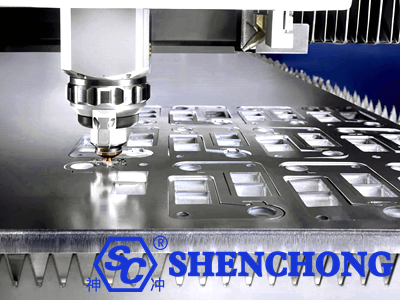
The cutting effect of different sheet metals is mainly affected by the following factors:
Factor | Influence |
Material reflectivity | Affects laser absorption |
Thermal conductivity | Affects heat diffusion |
Melting point | Affects cutting energy |
Material purity | Affects kerf stability |
Surface condition | Affects piercing |
Oxidation properties | Affects kerf color |
Sheet thickness | Affects cutting ability |
Alloy composition | Affects melting state |
Material hardness | Affects cross• section quality |
Surface coating | Affects heat• affected zone |
Carbon steel is one of the most widely used materials in metal sheet laser cutting.
Characteristics:
• High laser absorption rate
• Good cutting stability
• Low cost
• Fast cutting speed
• Strong ability for thick plates
• Suitable for oxygen cutting
Widely used in:
• Steel structures
• Chassis and cabinets
• Engineering machinery
• Agricultural machinery
• Power equipment
• Construction industry
• Heavy industry
Causes:
• Insufficient gas pressure
• Incorrect focus
• Insufficient power
• Excessive speed
• Nose misalignment
Solutions:
• Increase oxygen purity
• Adjust focus downwards
• Increase auxiliary gas pressure
• Reduce cutting speed
• Correct nozzle center
Causes:
• Low oxygen purity
• Rusting of the plate
• Unreasonable cutting speed
• Heat accumulation
Solutions:
• Use high-purity oxygen
• Clean the surface of the plate
• Optimize power and speed matching
Causes:
• Insufficient laser power
• Drilling failure
• Incorrect focus position
• Insufficient airflow slag removal
Optimization methods:
• Use a high-power laser
• Increase progressive drilling
• Increase air pressure
• Use a large-diameter nozzle
Suitable for:
• 1mm
• 2mm
• 3mm
• 4mm
Core techniques:
• Increase acceleration
• Use flying cut
• Use a small nozzle
• Slightly shift focus upwards
• Maintain high-speed airflow
Suitable for:
• 6mm
• 8mm
• 10mm
• 12mm
Key points:
• Stable drilling
• Prevent slag buildup
• Ensure perpendicularity
• Control heat input
Suitable for:
• 20mm and above
• 30mm and above
• 40mm and above
Techniques:
• Multi-stage drilling
• Stepped power increase
• Large nozzle
• Reduce speed
• Enhance slag removal
• Keep nozzle clean
Stainless steel has the characteristics of high reflectivity, high toughness, and high corrosion resistance.
Main difficulties:
• Easy to slag
• Easy to yellow
• Easy to produce burrs
• Obvious thermal deformation
• High requirements for gas
Commonly used:
• High-pressure nitrogen cutting
Key:
• Precise focus
• High nitrogen purity
• Stable nozzle height
• Coaxial airflow
Requirements:
• High-purity nitrogen
• High-speed cutting
• Low heat input
• Precise power control
Solutions:
• Increase nitrogen purity
• Reduce heat accumulation
• Optimize cutting path
• Increase heat dissipation capacity
Aluminum plates are highly reflective materials.
Main problems:
• Severe reflection
• Easily damages the laser
• Fast melting speed
• Easily causes hole breakage
• Easily causes slag buildup
• Fast heat diffusion
High-brightness cutting can reduce:
• Rough cross-section
• Slag buildup at the bottom
• Grayed cross-section
Drilling aluminum plates is difficult.
Techniques:
• Low-power starting
• Step-by-step power increase
• Controlling heat accumulation
• Using progressive drilling
Measures:
• Use an anti-reflective laser
• Keep the lens clean
• Prevent backlighting
• Use a dedicated cutting head
Copper Material:
• Extremely high reflectivity
• Extremely high thermal conductivity
• High melting point
Therefore, cutting is extremely difficult.
Principles:
• Avoid heat accumulation
• Rapid melting
• Increase absorption efficiency
Key:
• High-reflectivity protection module
• Dedicated cutting head
• High-stability laser
Galvanized steel sheets have a zinc layer on their surface.
Problems:
• Prone to flaking
• Prone to producing smoke and dust
• Prone to slag buildup
• Unstable edges
To avoid excessive burning of the zinc layer.
To ensure rapid slag removal.
Techniques:
• Increase speed
• Reduce pauses
• Optimize corner cutting processes
Brass is a highly reflective material.
Cutting Challenges:
• Severe reflection
• Prone to backlighting
• Prone to burr formation
Techniques:
• Use a high-power fiber laser
• Use nitrogen-assisted cutting
• Reduce heat buildup
• Maintain high-stability focus
Copper has extremely high thermal conductivity.
Processing Focus:
• High energy density
• Rapid piercing
• Backlight protection
• Maintain high pressure
• Aluminum
• Copper
• Brass
• Mirror-finish stainless steel
• Laser reflection
• Optical damage
• Unstable cutting
• High-reflectivity protection system
• Intelligent power control
• Dynamic focusing
• High-frequency stable cutting
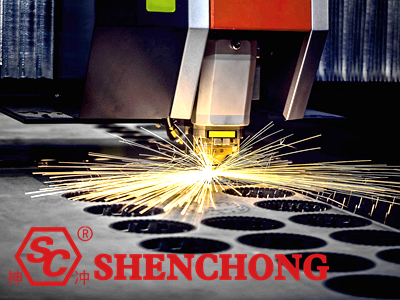
Characteristics:
• Extremely fast
• Easy to burn edges
• Easy to deform
Techniques:
• High-speed cutting
• Small focal point
• High acceleration
• Low heat input
Key Points:
• Balancing speed and quality
• Controlling the perpendicularity of the cut surface
• Preventing slag buildup
Key Points:
• Strong slag removal
• Stable perforation
• Reduce heat accumulation
• Prevent secondary melting
Coated plates are commonly found in:
• Decoration industry
• Home appliance industry
• Stainless steel decorative plates
Difficulties:
• Coverage burn-off
• Slag contamination
• Surface scratches
Techniques:
• Maintaining the integrity of the coating
• Using low heat input
• Protecting the surface
• Using clean gas
Mirror plates have extremely strong reflectivity.
Requirements:
• High-stability laser
• Precise focus
• High-purity gas
• Prevention of scratches
The patterned plate surface is uneven.
Problems:
• Unstable focus
• Incomplete cuts in some areas
• Increased spatter
Solutions:
• Automatic focusing
• Increased power margin
• Reduced speed
Key:
• Precise focus
• Stable air pressure
• Coaxial nozzle
• Parameter matching
Focus:
• Improve slag removal capacity
• Control melting state
• Optimize cutting speed
Measures:
• Reduce heat input
• Increase speed
• Optimize cutting path
Materials | Recommend gases |
Carbon steel | Oxygen |
Stainless steel | Nitrogen |
Aluminum plate | Nitrogen |
Copper plate | Nitrogen |
Galvanized plate | Nitrogen |
Brass | Nitrogen |
Material | Recommend Nozzles |
sheet | Small Diameter Nozzles |
thick plate | Large Diameter Nozzles |
Highly reflective material | High Stability Nozzles |
Precision cutting | Double Layer Nozzles |
Suitable for:
- Thin plates
- High-speed cutting
Suitable for:
- Thick plates
- Oxygen cutting of carbon steel
Suitable for:
- Mixed-thickness cutting
- Automated processing
- High-precision cutting
Modern metal sheet laser cutting has gradually entered the era of:
- Automatic loading and unloading
- Automatic table changing
- Automatic sorting
- Intelligent layout
- Intelligent process database
- Unmanned production
Core requirements:
- Stable parameters
- Standardized processes
- Intelligent compensation
- Automatic detection
Future cutting technology will develop in the following directions:
- Ultra-high power
- AI intelligent parameter adjustment
- Adaptive cutting
- Unmanned factories
- High precision and high speed
- Intelligent visual inspection
- Digital process database
- Cloud-based process sharing
The future of laser cutting will no longer be just about equipment competition, but a comprehensive competition of "process database + intelligent algorithm + automation system".
Metal sheet laser cutting of different materials is not simply a matter of changing power and speed.
It involves:
• Optics
• Thermal engineering
• Fluid dynamics
• Materials science
• Automation control
• Numerical control technology
• Intelligent processes
Only by truly understanding the essence of cutting different materials can we achieve:
• Higher cutting quality
• Higher processing efficiency
• Lower production costs
• More stable mass production
• Higher equipment utilization
In the future era of intelligent manufacturing, whoever possesses stronger process capabilities will have stronger market competitiveness.
Related Articles:
Detailed Introduction And User Guide: Fiber Laser Cutting Machine For Metal Sheets
Laser Cutting Parameters Detailed Explanation 2025 [What, Why, How]
How To Choose A Laser Cleaning Machine?