+86-158-9507-5134
info@shenchong.com
 EN
EN

Hydraulic brake press machines are core pieces of equipment in sheet metal processing. Their stability directly affects bending accuracy, production efficiency, die life, and overall machine safety.
The core goal of maintenance is not simply "repairing when it breaks down," but rather to continuously maintain the equipment in a stable state through cleaning, lubrication, inspection, calibration, tightening, filtering, and record-keeping.
Below is a maintenance guidelines for hydraulic press brakes, covering daily, periodic, key component, fault prevention, and life extension strategies. It is applicable to CNC hydraulic press brake machines (such as 4+1 axis, 6+1 axis, and electro-hydraulic synchronous models).
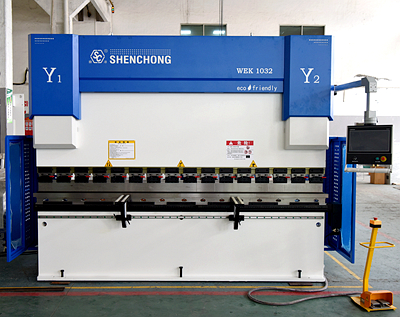
- Prevention First: 80% of failures originate from contamination, loosening, and wear.
- Three Key Factors: Hydraulic oil cleanliness / Guide rail lubrication / Electrical stability
- Standardized Implementation: Execute according to the "daily inspection - weekly inspection - monthly inspection - annual inspection" system.
- Closed-Loop Record Keeping: Every maintenance operation must be recorded (oil temperature, pressure, error, etc.).
- Pressure Stability: Minimal pressure fluctuations in the hydraulic system, resulting in stable bending force output.
- Motion Stability: Smooth up-and-down movement of the slide block, without crawling, shaking, or abnormal noise.
- Precision Stability: Consistent bending angle, back gauge positioning, and left-right synchronization.
Maintenance of a hydraulic brake press machine is not a single task, but rather divided into:
- Daily inspection
- Shift maintenance
- Weekly maintenance
- Monthly maintenance
- Quarterly maintenance
- Annual major maintenance
Many malfunctions are not caused by "suddenly broken parts," but rather by:
- Oil contamination
- Filter blockage
- Aging seals
- Insufficient guide rail lubrication
- Loose electrical wiring
- Long-term overload operation
- Uneven loading of dies and slides
With proper daily maintenance, most problems can be detected in advance.
Daily maintenance is crucial and should be performed every shift. This is especially important for high-intensity production lines, as daily maintenance significantly reduces downtime.
- Check for oil leaks or seepage on the equipment surface.
- Check for dampness around oil pipe joints, flanges, and hydraulic valve blocks.
- Check for secure mold installation.
- Check for foreign objects on the back gauge, stop fingers, and guide rails.
- Check that the electrical cabinet door closes properly.
- Check that the emergency stop button resets normally.
- Check that the oil level in the tank is within the specified range.
- Check that the hydraulic oil is black, emulsified, foaming, or has a foul odor.
- Check that the oil temperature is not too high and that there is no abnormal temperature rise trend.
- Check that the power supply voltage is stable.
- Check for alarms in the control system.
- Check for abnormal indicators on the servo motor, encoder, and wiring terminals.
- Check that the buttons and foot switches on the control panel are sensitive.
- Check that the slide moves smoothly up and down.
- Check that the back gauge moves smoothly.
- Check that the left and right synchronization is consistent.
- Is the mold center aligned?
- Is the work piece pressing and positioning normal?
- Is the slider movement smooth?
- Are there obvious impact sounds, whistling sounds, or knocking sounds?
- Are there oil pump idling sounds or cavitation sounds?
- Is the pressure suddenly fluctuating during bending?
- Is the bending angle stable and consistent?
If any of the following occurs, stop the press brake bending machine immediately for troubleshooting:
- Excessively high oil temperature
- Further oil leakage
- Large pressure gauge fluctuations
- Slider shaking during operation
- Increased back gauge repositioning error
- Abnormal motor overheating
- Frequent alarms on the control panel
- Clean iron filings and oil stains from the worktable, mold, and back gauge mechanism.
- Turn off the power and confirm the equipment returns to zero.
- Check for any untreated oil leaks.
- Record any abnormalities encountered that day.
- Perform a simple wipe of the mold, guide rail, lead screw, and hydraulic components.
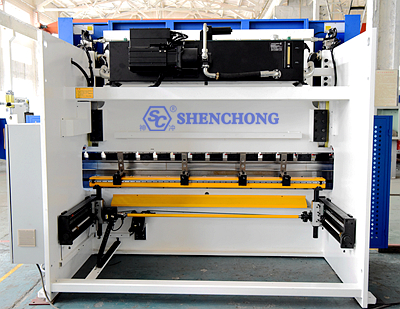
The hydraulic system is the core of the bending machine, and its maintenance is the focus.
Hydraulic oil is not only a medium for transmitting pressure, but also plays a crucial role in:
- Lubrication
- Cooling
- Rust Prevention
- Sealing Auxiliary
- Oil contamination can cause valve core sticking
- Oil aging can cause system overheating
- Water content can cause emulsification and corrosion
- Mixing oils can damage additive performance
- Strictly prohibit the mixing of different brands and viscosities of hydraulic oil.
- Regularly check the oil's color, odor, and transparency.
- Take immediate action if the oil turns black, emulsifies, settles, or foams.
- Change the oil according to the recommendations in the equipment manual; do not substitute arbitrarily.
- Pay extra attention to oil cleanliness in the initial stages after a new machine or major overhaul.
- Add oil through a filter device.
- Keep all oil drums, cans, and funnels clean.
- Do not bring dust, metal shavings, or fibers into the oil tank.
The most dangerous element in a hydraulic system is contaminant particles.
- Valve core wear
- Solenoid valve sticking
- Reduced oil pump life
- Unstable system pressure
- Slow or shaky operation
- Regularly check the condition of the suction filter, return filter, and pressure filter.
- Replace filters promptly if clogged.
- Do not wait until the system is obviously abnormal before replacing filters.
- When replacing filters, pay attention to draining oil, preventing contamination, and ensuring correct installation orientation.
- Differential pressure alarm
- Significantly reduced oil flow
- Increased oil temperature
- Slower system operation
- Severe dirt buildup on the filter element
- Increased noise
- Abnormal overheating
- Insufficient output pressure
- Difficulty starting
- Pressure not reaching the target level during bending
- Check for proper coupling alignment.
- Check for pump body looseness.
- Check for air leaks in the suction pipe.
- Check for oil cleanliness.
- Check for smooth pump operation.
- Air ingress into the suction pipe
- Oil contamination
- Low oil level
- Clogged filter element
- Pump internal wear
Hydraulic valve assemblies include relief valves, directional valves, proportional valves, sequence valves, etc., and are considered "precision and sensitive components."
- Keep the area around the hydraulic valve block clean.
- Do not allow iron filings or sludge to accumulate near the valve block.
- Check if the solenoid valve coil is overheating.
- Check if the valve core operates sensitively.
If abnormal operation is found, first check the cleanliness of the hydraulic fluid and the electrical control signals.
- Valve core jamming
- Slow response
- Pressure cannot be adjusted
- Unstable pressure holding
- Jerking operation
- Scratches or rust on the piston rod surface
- Aging or oil leakage of the seals
- Loose connections in the cylinder body
- Are the left and right cylinders moving in unison?
- Is there any impact at the end of the stroke?
- Keep the piston rod surface clean.
- Never strike the piston rod with hard objects.
- Address any oil leaks as soon as possible.
- Do not allow the cylinder to operate under overload for extended periods.
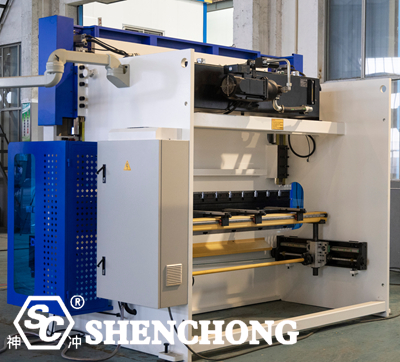
- Clean slider surface
- Sufficient guide rail lubrication
- Smooth movement without jamming or abnormal wear
- Balanced force on left and right guide rails
- Insufficient guide rail lubrication leading to wear
- Long-term uneven loading causing slider tilt
- Excessive slider guide clearance, affecting accuracy
- Guide rail contamination causing crawling
- Wipe exposed parts of the guide rail every shift
- Add lubricant at designated points according to lubrication requirements
- Regularly check guide rail clearance
- Adjust slider promptly if tilting is detected
- Check for burrs and scratches on the worktable
- Check for debris accumulation in the lower die mounting slot
- Check for levelness of the die support
- Check for localized deformation of the worktable
- The bottom surface of the die must be clean
- Do not pile heavy objects on the worktable
- Avoid localized overloading causing bed deformation
The back gauge system directly affects bending dimensions and repeatability accuracy.
- Clean dust and metal shavings from the lead screw, guide rail, and rack.
- Check lubrication adequacy.
- Check repeatability.
- Check the motor, coupling, and limit switches for proper functioning.
- Check for loose or deformed stop fingers.
- Inaccurate back gauge positioning.
- Abnormal noise during operation.
- Increased axial clearance.
- Overheating of the drive motor.
- First, check for dirt or looseness in the machinery.
- Second, check for wear on transmission components.
- Finally, check electrical parameters and feedback signals.
- Couplings
- Bearing housings
- Bolts
- Pinks
- Key connections
- Mounting base
Long-term vibration can loosen bolts, leading to:
- Abnormal equipment noise
- Decreased accuracy
- Component misalignment
- And in severe cases, breakage or accidents.
- Regularly re-inspect critical bolts with a torque tool.
- Mark important bolts for loosening.
- Tighten any loose bolts promptly.
The electrical system determines the stability of equipment operation, the accuracy of its actions, and the reliability of its safety protection.
- Keep the cabinet dry, clean, and free of oil stains.
- Regularly clean dust.
- Check the fans, air conditioners, and filters for proper functioning.
- Check for loose, overheating, or oxidized wiring terminals.
- Check for reliable grounding.
- Dust accumulation causing poor heat dissipation.
- Loose wiring leading to intermittent faults.
- Dampness causing short circuits or false alarms.
- Overheating of frequency converters and drives.
- Do not arbitrarily change CNC system parameters.
- Perform regular program backups.
- Maintain stable origin, limit, and encoder signals.
- Touchscreen, buttons, and rotary switches... Buttons should be sensitive and reliable.
- Record parameters after each adjustment.
- Save backups of critical machining programs.
- Regularly check system logs and alarm records.
- Origin switch
- Limit switch
- Photoelectric sensor
- Pressure sensor
- Displacement sensor
- Safety door switch
- Position deviation
- Inaccurate positioning
- Failure to return to zero
- False alarm
- Safety protection failure
- Keep sensor surfaces clean
- Check for installation misalignment
- Check wiring and plugs for tightness
- Take anti-loosening measures for vibration-prone areas
Bending die maintenance is often overlooked, but it directly affects bending quality and equipment lifespan.
- Before using the upper die, check for chipped or worn cutting edges.
- Check if the die is securely fixed.
- Check if the die center is aligned.
- After use, clean surface oil and metal filings promptly.
- Weared cutting edges lead to unstable bending angles.
- Eccentric force on the die causes cracking.
- Improper installation causes scratches on the workpiece.
- Keep the die opening clean.
- Avoid indentations and damage.
- Prevent localized overload.
- Apply anti-rust oil when not in use for extended periods.
- Categorize and number the die.
- Store in designated areas.
- Prevent rust and moisture.
- Avoid collisions.
- Establish usage records.
- Facilitate quick die retrieval.
- Reduce die damage.
- Extend die lifespan.
- Improve die change efficiency.
Over time, the precision of a hydraulic bending machine will naturally drift, so regular calibration is necessary.
- Hydraulic pressure variation
- Oil temperature variation
- Mechanical wear
- Slider synchronization error
- Back gauge clearance variation
- Die wear
- Bed micro-deformation
- Slider parallelism
- Left and right synchronization
- Bottom dead center position
- Back gauge repositioning
- Bending angle compensation
- Die centerline
- Use standard testing tools
- Calibrate at a stable oil temperature
- Record parameters for each adjustment
- Verify through actual machining after adjustment
Adequate lubrication directly determines the rate of mechanical wear.
- Guide rails
- Lead screw
- Bearings
- Hinges
- Sliding surfaces
- Back gauge drive components
- Use the grease or lubricating oil specified in the instruction manual.
- Add grease regularly and at designated points.
- Do not over-lubricate to avoid dust accumulation.
- Do not mix different types of grease.
- Only lubricate after a malfunction.
- Excessive grease leads to dust buildup.
- Adding grease without cleaning.
- Neglecting lubrication of concealed parts.
Prolonged high-temperature operation of hydraulic systems will significantly shorten equipment lifespan.
- Decreased hydraulic oil viscosity
- Accelerated aging of seals
- Increased wear of pumps and valves
- Decreased precision
- Reduced lifespan of electrical components
- Decreased pump efficiency
- Persistent overflow of relief valve
- Clogged filter element
- Poor cooler efficiency
- Insufficient or contaminated oil
- Prolonged overload operation of equipment
- Keep the cooler clean
- Regularly clean the heat sinks
- Check the fan and water cooling system for proper functioning
- Avoid continuous, prolonged full-load operation
Maintenance is not only for equipment, but also for personal safety.
- Power off
- Disconnect main power supply
- Relieve pressure
Hang warning signs
- Confirm slider is in a safe position
- Confirm no residual kinetic energy
- No live work
- No hands in danger zones
- Use special tools when changing molds
- Maintain a safe distance during equipment linkage testing
- Take precautions against slipping, burns, and fire when handling hydraulic oil
- Emergency stop button
- Light curtain
- Two-hand buttons
- Foot switch
- Safety door lock
- Limit protection
Below is a readily implementable schedule:
- Clean the workbench, molds, and stoppers.
- Check oil level, temperature, and pressure.
- Check for oil leaks, abnormal noises, and vibrations.
- Check the emergency stop and foot switch.
- Clean metal shavings and oil stains.
- Record operation data.
- Check fasteners.
- Check lubrication points.
- Check filter element condition.
- Check back gauge accuracy.
- Check electrical cabinet heat dissipation and dust removal.
- Check mold wear.
- Check hydraulic oil quality.
- Check oil pump operation.
- Check valve assembly operation.
- Verify back gauge repeatability.
- Check sensors and limit switches.
- Back up system parameters and machining programs.
- Thoroughly clean the electrical cabinet and hydraulic station.
- Check oil contamination.
- Check guide rail and lead screw wear.
- Calibrate synchronization and parallelism.
- Retighten key connections.
- Conduct a comprehensive inspection of the hydraulic system.
- Change hydraulic oil as needed.
- Replace aged filters and seals.
- Perform a full machine accuracy re-inspection.
- Conduct a comprehensive inspection of electrical components.
- Assess whether worn parts need replacement.
- Large oil temperature fluctuations
- Unstable oil pressure
- Die wear
- Sheet material fluctuations
- Slider synchronization error
- Inappropriate parameter settings
- First check oil temperature, pressure, and die.
- Then check program parameters and compensation values.
- Finally check mechanical synchronization and repeatability accuracy.
- Oil pump cavitation
- Bearing wear
- Insufficient guide rail lubrication
- Loose bolts
- Hydraulic valve sticking
- Stop the machine.
- Troubleshoot from the outside in.
- First check the oil circuit and lubrication.
- Then check the mechanical connection components.
- Oil contamination
- Clogged filter element
- Wearing oil pump
- Malfunctioning valve core
- Oil temperature too low or too high
- Wearing lead screw
- Loose coupling
- Encoder malfunction
- Guide rail contamination
- Control parameter drift
- Aging seal
- Loose joint
- Pipeline vibration
- Damaged oil seal
- Excessive pressure
- Stop the machine and check.
- Find the root cause of the leak.
- Don't just wipe off the oil stains.
It is recommended to establish an equipment maintenance log, including:
- Equipment Number
- Maintenance Date
- Maintenance Personnel
- Oil Level/Temperature/Pressure
- Filter Replacement Status
- Lubrication Status
- Problems Found
- Handling Results
- Spare Parts Replacement Record
- Calibration Record
These records are extremely useful because many malfunctions "deteriorate slowly," and these records can help you detect trends early.
To make your hydraulic brake press machine more durable, focus on these key points:
Long-term operation exceeding tonnage, stroke, or frequency will significantly shorten the equipment's lifespan.
Iron filings, dust, and oil entering the system will significantly increase the probability of malfunctions.
Do not arbitrarily change hydraulic pressure, synchronization parameters, or compensation parameters.
Abnormal noises, oil leaks, overheating, and vibrations should not be ignored.
Uneven, misaligned, or severely worn dies will damage the bending machine itself.
To truly implement this guideline, it is recommended to do the following three things:
Create a checklist for "Pre-start, During Operation, and Post-Stop" inspection items, and have employees check them off daily.
For each piece of equipment, clearly define:
- Operator
- Maintenance Person
- Equipment Administrator
- Maintenance Supervisor
Any of the following situations must be reported:
- Oil Leakage
- Abnormal Noise
- Alarm
- Precision Fluctuation
- Abnormal Temperature Rise
- Abnormal Mold Wear
The following details may seem small, but they significantly impact lifespan:
- Is the oil tank cap seal intact?
- Is the filler neck clean?
- Is the foot switch leaking oil?
- Is the electrical cabinet fan clogged with dust?
- Is there metal shavings on the die mounting surface?
- Is the back gauge stop loose?
- Is the grounding wire reliable?
- Is the area around the equipment damp?
- Is rust prevention applied during long-term shutdowns?
- Is preheating performed before starting in winter?
You can also summarize maintenance work as:
"Clean first, then inspect. Lubricate first, then run. Troubleshoot first, then produce. Record first, then optimize."
5 Key Strategies to Extend the Lifespan of Hydraulic Brake Press Machines:
- Oil Management = Core of Lifespan (70%)
- Avoid Overloading Bending (Especially Thick Plates)
- Select the Right Die (V-groove Matches Plate Thickness)
- Reduce Frequent Emergency Stops (Impact on the Hydraulic System)
- Environmental Control (Dustproof, Moisture-proof, Vibration-proof)