+86-158-9507-5134
info@shenchong.com
 EN
EN
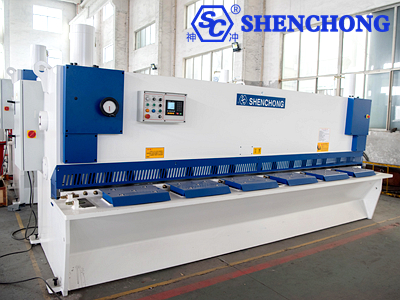
Hydraulic shear using life is affected by many factors, such as the condition of the hydraulic fluid, the cleanliness of the equipment, rust prevention measures, proper operation, and routine maintenance. Only by addressing these factors effectively and performing comprehensive maintenance can the equipment's lifespan be maximized.
Below are specific methods covering key aspects of equipment use and maintenance. These methods are practical and easy to implement.
If two or more of these signs appear, it indicates that your machine has entered the mid-to-late stage of its using life:
- Noticeably sluggish or dragging motion during shearing.
- Increased burrs and poor straightness at the cut.
- Rapid oil temperature rise.
- Unstable material clamping and slow return.
- Increased oil leakage from the hydraulic system.
- Significantly increased noise for the same plate thickness.
At this point, it's not immediately unusable. Instead, you should:
- Change the oil and inspect the valve assembly.
- Repair the blade/reverse the cutting edge.
- Correct the clearance.
- It can still be used for another 2-5 years.
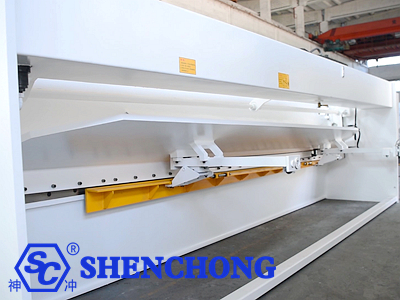
Operating habits are the first factor affecting hydraulic shear using life. Good habits can prevent many unnecessary damages.
Before starting work each day, spend a few minutes checking the shear machine. Check for obvious oil leaks, especially at the oil pipe joints and under the oil cylinder. Check the machine surface and near the blades for any stuck metal shavings or other debris. Clean them up briefly.
Never use the hydraulic shear to cut materials beyond its capacity. For example, if the machine is designed to cut a maximum of 6mm thick steel plate, do not attempt to cut 8mm. This will severely damage the blades and put excessive pressure on the hydraulic system, leading to premature wear or damage to internal parts.
When shearing, try to place the sheet flat on the worktable to ensure even force distribution on both sides. Avoid consistently shearing only one narrow edge; long-term one-sided force will cause uneven wear on machine parts.
When using the foot switch or button, the action should be definite and smooth. Do not quickly and continuously "Inching" the pedals, as this will subject the hydraulic system to frequent shocks.
This part requires you to perform it regularly, like creating a schedule.
Viscosity must be appropriate:
As mentioned earlier, if the oil is too thick, the machine will operate slowly and suffer from significant power loss.
If the oil is too thin, parts will not be properly lubricated, leading to faster wear.
You must select the hydraulic oil type according to the manufacturer's recommendations and the local seasonal temperature. The oil used in winter and summer may differ.
Keep it clean:
Hydraulic oil is most susceptible to dirt. Dust and metal shavings mixed into the oil will act like sandpaper, abrading the delicate oil pump and valves.
Therefore, regularly check the breather (air filter) of the oil tank.
And strictly follow the prescribed intervals to replace the hydraulic oil and the filters in the oil circuit. This is the most important maintenance and should not be skimped on.
Oil level and temperature:
Regularly check the oil level in the tank and maintain it within the specified range.
Too little oil will burn out the oil pump. Too much oil may cause overheating.
Pay attention to the oil temperature during operation. If the machine feels very hot to the touch, stop the machine and check it. Check the cooling system for proper functioning.
After each workday, use a broom or brush to clean away metal shavings and dust from the blade holder, worktable, and guide rails.
These hard debris, if accumulated, can scratch the delicate guide rail surfaces or fall into gaps and jam parts.
Regularly wipe the machine casing with a clean cloth to prevent dust from entering through gaps.
The hydraulic shearing machine has many moving parts, such as the blade holder guide rails, bearings, and adjusting screws.
You need to add appropriate lubricating oil or grease to these parts according to the location and frequency specified in the instruction manual.
With lubrication, parts move smoothly, reducing friction and wear.
The machine is very prone to rust if placed in a damp environment or left unused for extended periods.
Especially the worktable, blades, and unpainted metal surfaces.
Before long-term downtime (such as holidays), be sure to thoroughly clean all parts of the machine, especially the worktable. Then apply a layer of rust-preventive oil. This is especially important for protecting valuable blades and countertops.
In addition to routine maintenance, you need to perform more thorough inspections periodically (e.g., every three months, every six months).
Machine vibration may loosen some screws and nuts.
Regularly check and tighten all fasteners with tools, especially the screws on critical parts such as blade fixing screws and hydraulic cylinder mounting bolts.
The correct clearance between the blades directly affects the cutting quality and blade life.
You need to adjust the clearance according to the thickness of the sheet material being cut, following the instruction manual.
If the clearance is too large, the sheet material will not be cut. If the clearance is too small, the blade edge is prone to collision and breakage.
Listen to the sound of the hydraulic pump to see if it is normal and if there are any abnormal noises.
Inspect all oil pipes and joints for signs of aging, oil leaks, or bulges.
Replace any problematic parts promptly.
If the machine will be out of use for more than several months, you need to perform a "comprehensive maintenance".
Drain all hydraulic oil and clean the oil tank.
Refill all lubrication points with new grease.
Apply a thick layer of anti-rust oil to all metal-machined surfaces (workbench, blades, guide rails).
Cover the entire machine with a dust cover and store it in a dry place.
To ensure NC/CNC hydraulic shearing machine operates stably for a longer period with fewer malfunctions:
- Keep it clean
- Replace the oil and filter elements regularly
- Maintain proper blade maintenance
- Develop and implement a maintenance plan
- Train operators and standardize operation
The hydraulic shear using life depends 70% on maintenance, 20% on operation, and 10% on model selection. We must perform daily maintenance and upkeep, operate the equipment correctly, inspect the equipment regularly, and perform timely maintenance. This will effectively reduce equipment failures, minimize equipment wear and tear, and extend the equipment's lifespan. This will allow the equipment to fully realize its value and provide strong support for the company's production and operation.